What is an Energy Management System ? And why it is a necessity
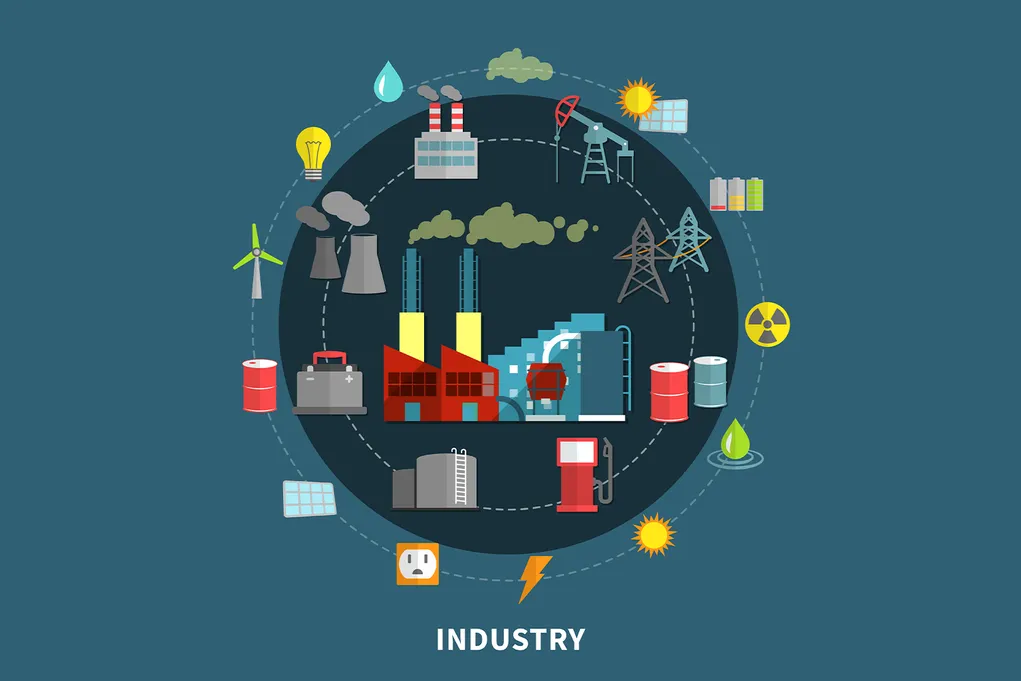
What is EMS ?
An Energy Management System (EMS) is a technology-driven solution designed to monitor, and manage energy consumption across various systems and resources. It integrates both software and hardware to create a centralized platform that provides a clear picture of how energy is being generated, distributed, and consumed.
In a world facing increasing energy demands, understanding and optimizing energy usage has become vital. The US Energy Information Administration (EIA) predicts that global energy consumption will grow by 48% before 2040, emphasizing the need for smarter energy management systems.
EMS operates by gathering data from distributed energy resources (DERs) , this data is then processed and organized into actionable insights, allowing businesses to monitor energy flows, identify inefficiencies, and maintain stable operations.
Why does your Industry need EMS ?
As energy demands grow, an EMS is no longer just an option but a necessity for industries to stay efficient and future-ready. Here’s why your industry needs an EMS:
1 Real-Time Monitoring and Data Analysis :
- EMS enables continuous monitoring of energy consumption, providing real-time data on energy use across all operations.
- Real-time insights are crucial for decision-making in environments where energy costs fluctuate or sustainability is a major goal.
2 Cost Reduction :
- EMS helps businesses optimize energy use, significantly reducing energy bills.
- Features like dynamic load management and peak shaving help minimize grid fees and prevent costly infrastructure expansions.
3 Sustainability and Carbon Emission Reduction :
- EMS facilitates the integration of renewable energy sources like solar, reducing reliance on fossil fuels.
- By reducing energy consumption, EMS also helps companies decrease carbon emissions and their overall environmental impact.
4 Enhanced Operational Efficiency :
- EMS centralizes energy management across all processes, creating an efficient system for operations.
- By streamlining energy operations, businesses can reduce operational costs while improving overall efficiency and productivity.
How does EMS deliver value across your industry?
An Energy Management System (EMS) enhances collaboration and drives efficiency across all teams by providing real-time data, insights, and actionable solutions. Here’s how EMS creates value for each team in your organization:
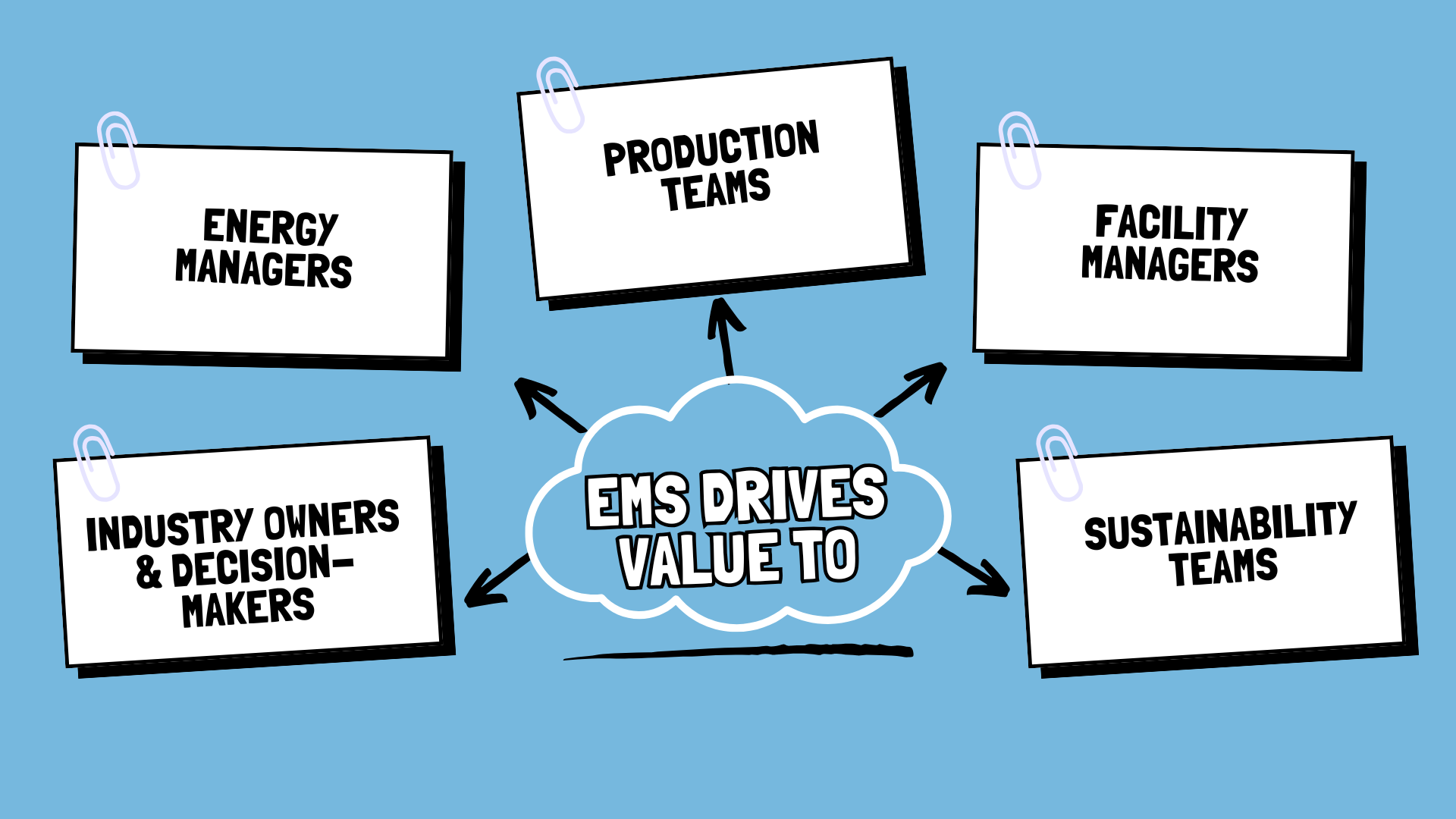
Executives & Decision-Makers:
- Clear visibility into energy savings and ROI.
- Data-driven insights for strategic planning.
- Enhanced competitiveness with cost-effective operations.
Energy Managers:
- Real-time energy monitoring for better decision-making.
- Insights to optimize energy usage and reduce costs.
- Easy identification of inefficiencies and wastage.
Production Teams:
- Streamlined operations with reduced downtime.
- Insights into energy-intensive processes for improved planning.
- Enhanced equipment performance through efficient energy use.
Facility Managers:
- Centralized control of energy systems for simplified management.
- Alerts and notifications for proactive maintenance.
- Improved resource allocation with actionable data.
Sustainability Teams:
- Reduced carbon footprint through optimized energy consumption.
- Compliance with environmental standards.
- Support for sustainability goals with measurable data.
Cloud EMS : The Smarter Choice
Cloud-based EMS is changing the way industries manage energy. Here’s why it’s the smarter choice:
-
Fast Setup: Quick deployment and flexible to your needs.
-
Automatic Security: Regular updates and maintenance for peace of mind.
-
Cost-Effective: Lower costs with no need for heavy IT infrastructure.
-
Anytime, Anywhere Access: Manage your energy systems from any device, anywhere.
-
Better Collaboration: Easy team coordination and improved decision-making.
-
Greener Option: Reduces the carbon impact compared to traditional solutions.
With Cloud EMS, businesses gain control, reduce costs, and enhance sustainability—all on a secure, accessible platform.
Summary
Energy Management Systems (EMS) are no longer a luxury—they are a necessity for businesses aiming to minimize costs, increase operational efficiency, and reduce environmental impact thus meeting sustainability goals. By integrating real-time monitoring, data insights, and smart energy strategies, EMS offers substantial value across various teams, driving long-term competitiveness and resilience. The shift to Cloud EMS further enhances this potential, offering cost-effective, secure, and accessible energy management solutions that are not just greener, but smarter. Embracing EMS today positions your business for a sustainable and energy-efficient future.